How do power plants in Norway work?
Many power plants in Norway have storage reservoirs and production can therefore be adjusted within the constraints set by the licence and the watercourse itself. Wind and solar power are intermittent; electricity can only be generated when the energy is available. The same applies to run-of-river power plants and small-scale hydropower plants.
How many thermal power plants are there in Norway?
Hence, production often depends on the electricity needs of the industry. These power plants use a variety of energy sources, including municipal waste, industrial waste, surplus heat, oil, natural gas and coal. There are 30 thermal power plants in Norway, with a total installed capacity of about 538 MW.
Does Norway have a clean electricity system?
Norway’s largest source of clean electricity is hydro (89%). The share of wind and solar (9%) is below the global average (15%), but compliments an otherwise already clean power system. Norway relied on fossil fuels for just 2% of its electricity in . Its emissions per capita (0.9 tCO2) were just half the global average of 1.8 tCO2.
Are solar power plants a good investment in Norway?
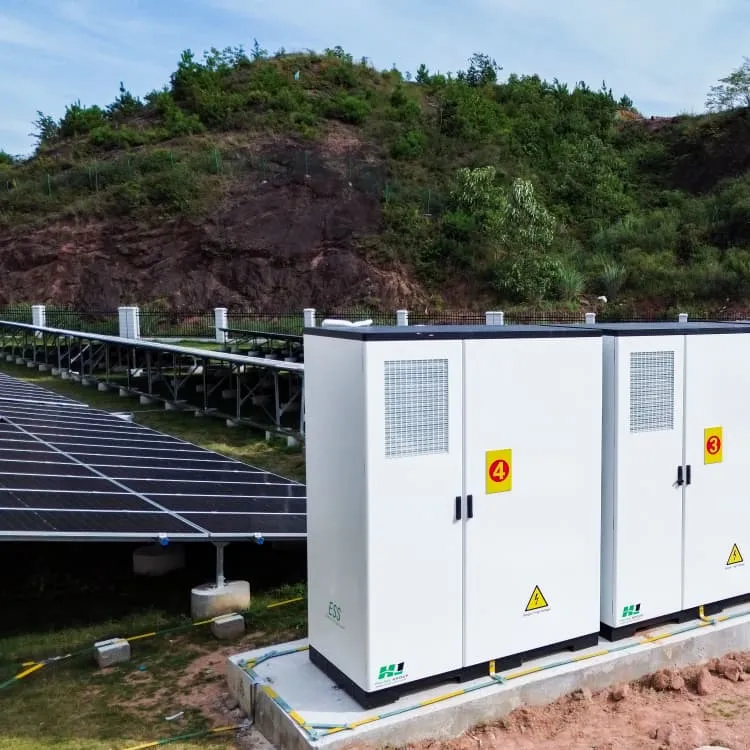
Most solar installations are rooftop systems installed on private homes and industrial buildings, primarily covering the owners' own electricity consumption. In recent years, there has been growing interest in ground-mounted solar power plants. Norway’s thermal power plants accounted for about 1.5% of the total production capacity in .
How has Norway's power sector changed over the last two years?
Norway’s power sector emissions grew slightly in the last two decades, from a very low base, due to a small increase in gas generation in a system predominantly based on hydropower. Norway already produces 98% of electricity from renewables, which is above the global share of 60% renewable electricity set out in the IEA Net Zero Emissions scenario.
How much electricity does Norway produce a year?
At the beginning of , Norway’s power supply had an installed production capacity of 40 334 MW, with an estimated normal annual production of around 157 TWh. The year set a new record with electricity production of 157.2 TWh, while had a total production of 154 TWh.
84 GWh pumped storage project planned for Norway
In April , the Norwegian Ministry of Energy granted Norsk Hydro a concession to develop the Illvatn pumped storage power plant. An application for a plan change is being processed by the
Oslo Pumped Storage Policy Update: What You Need to Know
If you've ever wondered how Norway keeps its lights on while being Europe's green energy poster child, the recent Oslo pumped storage policy update holds some juicy answers. This overhaul
Electricity production
Many power plants in Norway have storage reservoirs and production can therefore be adjusted within the constraints set by the licence and the watercourse itself. Wind and solar power are intermittent;
Energy systems for the future: Norway’s largest battery energy
Repurposing used EV batteries for stationary storage bolsters the nation's energy resilience. Furthermore, Norway pioneers the exploration of hydrogen as a versatile energy carrier,
Norway, A Strategic Reservoir For The Stability Of
Norway’s hydropower pumped storage capacities, amounting to 83 TWh, are increasingly being leveraged to regulate renewable energy surpluses in Europe and stabilize electricity prices.
Norway s New Energy Storage Power Station A Game-Changer
Summary: Norway's latest energy storage project is setting new standards in sustainable power management. This article explores how cutting-edge battery technology and smart grid
Norway
98% of Norway’s electricity was generated from low-carbon sources in , well above the global average of 41%. It was the 32nd largest country by electricity demand.
84 GWh pumped storage project planned for Norway
In April , the Norwegian Ministry of Energy granted Norsk Hydro a concession to develop the Illvatn pumped storage power plant. An application for a plan change is being
Electricity production
Many power plants in Norway have storage reservoirs and production can therefore be adjusted within the constraints set by the licence and the watercourse itself. Wind and solar
Energy systems for the future: Norway’s largest battery energy storage
We are a proud contributor of sustainable and smart energy supply for northern Senja. By installing local energy storage solutions that will function as energy buffers, we will, together
Norway Energy Storage Outlook
Repurposing used EV batteries for stationary storage bolsters the nation's energy resilience. Furthermore, Norway pioneers the exploration of hydrogen as a versatile energy
Norway, A Strategic Reservoir For The Stability Of European Energy
Norway’s hydropower pumped storage capacities, amounting to 83 TWh, are increasingly being leveraged to regulate renewable energy surpluses in Europe and stabilize electricity prices.
Oslo's First Pumped Hydro Storage: A Game-Changer for Norway
Norway’s capital just leveled up in the renewable energy game with its first pumped hydro storage (PHS) facility. Think of it as a mountain-sized battery that stores Oslo’s
Oslo Energy Storage Crisis: How Electricity Prices Expose Norway
Norway's hydro reservoirs traditionally acted as natural batteries. But here's the rub: Climate change reduced snowpack by 28% since , while electrification boosted demand 40%
84 GWh pumped storage project planned for Norway
In April , the Norwegian Ministry of Energy granted Norsk Hydro a concession to develop the Illvatn pumped storage power plant. An application for a plan change is being
Oslo Energy Storage Crisis: How Electricity Prices Expose Norway
Norway's hydro reservoirs traditionally acted as natural batteries. But here's the rub: Climate change reduced snowpack by 28% since , while electrification boosted demand 40%
Solar Energy Discussion
Share your thoughts on solar power and energy storage solutions.